



Many homeowners don’t realise how water influential usage patterns and family size are when selecting a new or replacement hot water system. Failing to take these calculations into account when making a hot water system purchase can lead to insufficient hot water supply or oversupply, resulting in extra costs.
A general rule of thumb is that each person uses approximately 50 litres of hot water per day. A storage hot water system should ideally have the capacity for 1.5 days’ worth of usage.
Hot water systems come in various sizes, ranging from small 25-litre units to large 400-litre tanks. Different system types require different capacities. A typical family of four might consider the following sized systems:
- Continuous-rate electric system – 125 to 160 litres
- Off-peak electric system – 250 to 315 litres
- Gas Continuous-rate system – 135 to 170 litres
- Solar system – 300 to 360 litres and 2 solar panels
- Heat pump – 270 to 315 litres
The size of hot water tanks is chosen by how many people are typically using hot water in the home. Choosing correctly isn’t just about counting family members, however, usage patterns come into play too.
A continuous rate hot water system (or tankless) size is determined by how many hot water outlets the property has. These systems heat water only as it’s needed, providing unlimited hot water on demand. These compact systems are perfect for properties that don’t have room for a tank system. However, there are higher upfront costs and supply may be limited if multiple taps are run at once, or if the local water flow rate is low.
Talking to a local plumbing expert about household usage and local flow rates can help homeowners decide which system and which size is right for their property.

The Wrong Size Hot Water System Causes Problems
Selecting the wrong size hot water system can lead to numerous problems. Too small a system won’t provide enough hot water, leading to cold showers and frustration.
A system that’s too large wastes energy and money. It constantly heats water that’s not being used, adding significantly to energy bills over time.
Undersized systems force families to schedule showers and washing at different times, which may create stress and difficulty in managing daily routines, especially during busy mornings.
Seasonal changes can also highlight sizing problems. An incorrectly sized system might cope during summer but fail to meet winter demands when incoming water is colder. Regular maintenance becomes more critical with poorly sized systems too. Undersized units work harder, potentially shortening their lifespan and requiring more frequent repairs.
Oversized systems take up more space than needed and have higher upfront costs. The initial investment is greater, and the ongoing costs remain higher throughout the system’s life.
Why Choosing the Right Size Matters
Selecting the right size hot water system matters for household comfort and efficiency. The perfect size balances daily hot water requirements with economical operation.
A single person or couple has very different needs compared to a large family with teenagers so the number of people or number of bathrooms is the first thing to consider when choosing the right sized hot water system.
Usage patterns also affect sizing decisions. When is the hot water in use? Does everyone want to use it during the same period of time? Homes with high-demand periods (morning showers, evening baths) need systems that can handle these peak times without failing.
As well as costing more to run, bigger hot water systems cost more upfront. Getting the size right saves money both in the purchase price and running costs. A correctly sized system won’t constantly cycle on and off, which helps extend its lifespan and reduce wear and tear.
Key factors when choosing size:
- Number of household occupants
- Number of hot water outlets
- Peak usage times and patterns
- Available space for installation
- Budget constraints (both upfront and ongoing)
Finding this balance might take some calculation, but it pays off in comfort and savings over the system’s lifetime.
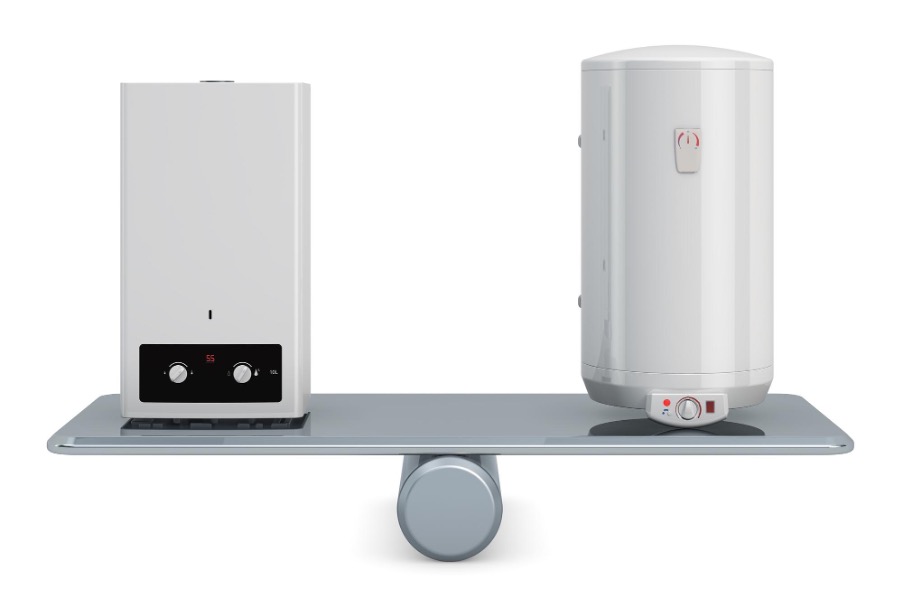
How to Choose the Right Hot Water System Size
Choosing the right hot water system depends primarily on household size, usage patterns, and the type of system you’re installing. Each person typically uses about 50 litres of hot water daily, so sizing accordingly helps avoid wasted energy and higher bills. Consider how often you have guests staying as well as the number of occupants.
Hot Water System Size for Small Households (1-2 People)
Small households typically require less hot water. A property with 1-2 occupants will typically need around 120 litres of water per day. An electric 180L tank or a gas 130L storage tank would be recommended here. A heat pump system under 200 litres will also work well for minimal hot water needs.
For continuous flow or instantaneous systems, smaller units with lower flow rates (about 16-20 litres per minute) provide ample hot water. These systems are perfect when hot water usage doesn’t overlap much between occupants.
Small households might consider:
- Electric continuous flow systems
- Small gas storage units (135L)
- Heat pumps (180L)
Best Hot Water System for Medium Families (3-4 People)
Medium-sized families need more substantial hot water capacity to accommodate multiple simultaneous users.
For a household of 3-4 people, the hot water usage is around 200 litres a day. A tank between 250 and 315 litres for off-peak electric and heat pump is recommended. A 230-litre tank would be sufficient when using water-saving showerheads.
With heat pump systems, a 270 to 315-litre capacity works well for medium households. These systems balance efficiency with adequate supply for morning or evening peak usage times.
For solar hot water, a medium-sized family requires approximately 300-360 litre tank with four square metres of solar collector area (typically two panels).
If opting for continuous flow systems, units with higher flow rates handle multiple simultaneous outlets like showers and dishwashers. When selecting system capacity, consider whether family members shower at the same time or use hot water for laundry during bathroom times.

Hot Water System for Large Families (5+ People)
Large families need substantial hot water capacity to avoid shortages during peak usage times. For households with 5+ people, storage systems of 300-440 litres provide an adequate supply for multiple consecutive showers and appliance use.
Heat pump systems in the 300+ litre range suit larger families well. These systems balance initial costs with ongoing energy savings, especially important for households with higher hot water consumption.
For continuous flow systems, large families should select units with maximum flow rates and the ability to supply multiple outlets simultaneously. This prevents water pressure or temperature drops when several family members use hot water at once.
Large gas storage units (300+ litres) offer another practical solution with quick recovery rates.
Oversizing slightly for large families can prevent frustrating hot water shortages during busy periods.
Final Thoughts: Ask an Expert!
Your usage patterns make a big difference to the hot water system size your property needs. Do you have teenagers who take long showers? Multiple bathrooms that might be used simultaneously? These details matter when sizing your system. While general guidelines suggest about 20 litres per minute per person, every home has different needs.
Professional plumbers can provide tailored advice based on your specific situation. They’ll consider factors beyond just the number of people in your home.
Budget considerations are important but think long-term. Sometimes paying more upfront for the right size system saves money over time through lower energy bills.
Remember that local climate conditions in Australia can influence your hot water needs, especially in areas with colder winters.
A quick call to a local hot water specialist can save you from costly mistakes with your water heater installation. Most offer free consultations and can assess your home’s specific requirements.