



Water plays a big part in our everyday lives, but that doesn’t necessarily mean it has to come at a big cost. Understanding water averages can help Brisbane residents gauge their water usage and identify potential areas for conservation and cost savings.
According to Canstar Blue’s 2024 survey, a typical quarterly water bill in Brisbane sits at $235, aligning with the Queensland average.
| State | Average Quarterly Water Bill |
| Northern Territory | $180 |
| South Australia | $200 |
| Tasmania | $200 |
| Victoria | $208 |
| New South Wales | $216 |
| Western Australia | $233 |
| Queensland | $235 |
Brisbane’s water costs rank among the highest in Australia, surpassing those in New South Wales, Victoria, and Western Australia. This positioning reflects the unique challenges and infrastructure needs of Queensland’s water supply system.
This article provides details of what makes Queensland water costs so unique to help residents meet their water resource needs and see reductions on their bills.
What Impacts Water Bills in Brisbane?
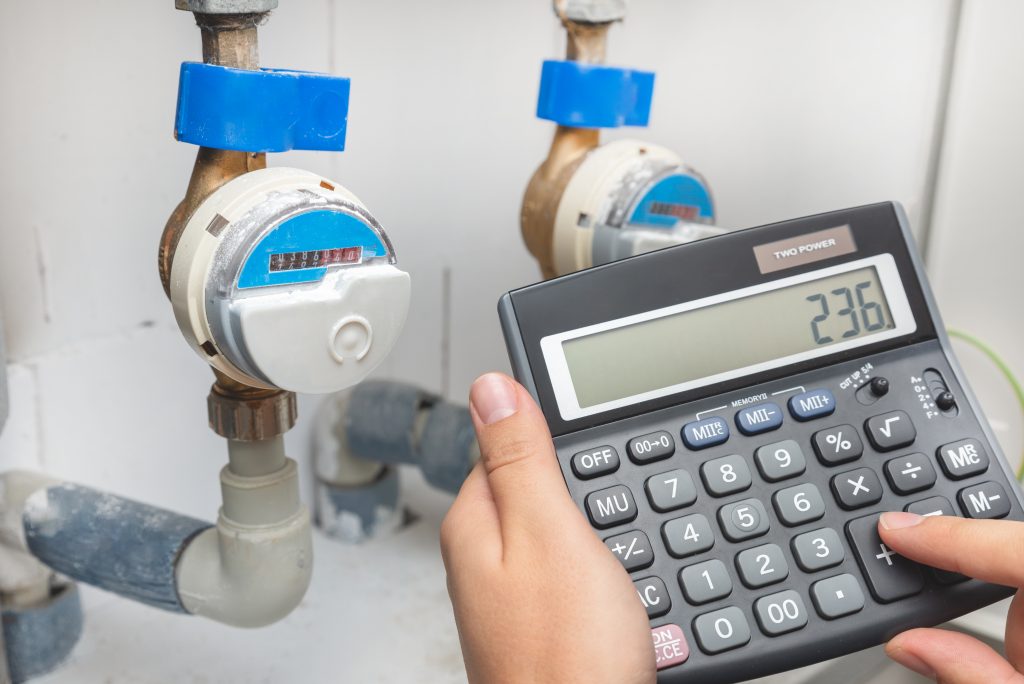
Water bills in Brisbane are influenced by several factors, with Queensland’s climate playing a significant role in usage patterns. The cost of infrastructure and water delivery and government fees all play a part in how much water costs consumers each year.
Summer months in Brisbane often see higher bills due to increased outdoor water use and more frequent showers. Outdoor water use includes gardens, pools, and car washing, which can significantly increase consumption, especially during dry spells.
Other water-intensive activities like lawn care and washing machines can influence water volume all year round.
There are two types of charges on a water bill. Fixed Service Charges are calculated daily and cover the cost of maintaining water and sewerage infrastructure, water treatment facilities and pipelines. These charges apply regardless of how much water a household uses and cover the everyday costs of delivering and maintaining Brisbane’s water supplies.
As maintenance and delivery costs go up, so too will the fixed service charges. One example of this is Brisbane’s desalination plant, while providing water security, it adds to the overall cost of water supply, which is factored into billing.
Variable usage charges are based on the amount of water consumed, measured in kilolitres. This portion of the bill reflects the cost of purchasing water from the state government.
To help reduce the high consumption of water during dry months, Government policies and water restrictions increase costs if above-average quantities are used ($1 per kilolitre extra for all water use over 822 litres per day). The aim is to motivate conservation by making water more expensive.
Household size also plays a significant role in water usage and subsequent bills. Single-person households typically pay around $270 per quarter, while families of five or more might see bills reaching $460. These variations stem from differences in water consumption patterns and the number of people sharing facilities.
Average Water Bill Amounts in Brisbane (2024 Update)
Brisbane residents receive quarterly water bills from Urban Utilities. Urban Utilities charges $3.53 per kilolitre of water used. An average Brisbane household consumes about 160 kilolitres per year, making an annual bill of $565 for average water use alone.
There are also Water Service Charges, charged at $0.672 per day ($245 annually) and Sewerage Services, which for Brisbane is $1.867 per day ($681 annually).
An average household of 2.5 people using 169 litres of water per day would pay $370 per quarter, or $1,491.50 per year.
For a single-person household, the average quarterly water bill ranges from $260 to $290. This equates to about $90 to $95 per month.
Couples living together generally face slightly higher costs. Their quarterly bills tend to fall between $340 and $350, or roughly $110 to $115 monthly.
Families with children see the highest water usage and bills. Especially as families would most likely be required to pay Tier 2 prices for any water in excess of 822 litres per day. The Tier 2 rate is $1.902.
A typical family of four in Brisbane can expect quarterly charges of $450 to $500. This translates to monthly costs of $160 to $170.
These figures account for both water consumption and fixed service charges. The actual amount varies based on specific usage patterns and property characteristics.
Fixed service charges make up a significant portion of water bills. These include water and sewerage access fees, which are set amounts regardless of usage.
How Brisbane Compares to Other Cities in Australia
Brisbane’s water prices are some of the most expensive in Australia. The average annual water bill in Brisbane is approximately $1,400 for a typical household.
Sydney residents pay less, with average yearly water bills around $900. Melbourne, on the other hand, has lower costs again, with annual bills around $850.
Factors influencing these differences include:
- Local water availability and sources
- Infrastructure costs
- Population density
- Climate conditions
It’s worth noting that water usage patterns vary across cities due to climate differences. Brisbane’s subtropical climate may lead to higher outdoor water use compared to cooler southern cities.
Ways to Reduce Your Water Bill in Brisbane
There are several steps Brisbane residents can take to lower their water bills. Installing water-efficient showerheads is a simple yet effective measure. These devices can slash water usage significantly, potentially saving households hundreds of dollars annually while still providing the feeling of high water volume.
The presence of water leaks can lead to unexpectedly high bills. Even small, undetected leaks can waste substantial amounts of water over time. It’s important to monitor water use to highlight possible leaks and get them repaired quickly.
Choosing water-efficient appliances can make a big difference. Front-loading washing machines typically use less water than top-loaders. When shopping for new appliances, consumers should look for models with high water efficiency ratings.
Changing some every habit can also see great water savings. Taking shorter showers, turning off taps while brushing teeth, and using a plug when washing dishes by hand are all practical ways to reduce consumption that can add up to substantial savings over time.
Collecting rainwater for garden use is a smart option in Brisbane’s climate. Installing a rainwater tank allows households to use free water for outdoor needs, reducing reliance on mains water.
Lower-income households may be eligible for water-saving programs or rebates offered by local authorities. These initiatives can help offset the costs of water-efficient upgrades and encourage responsible water use across the community.
Understanding Your Brisbane Water Bill
Across Brisbane, bills for water will come from Urban Utilities each quarter (every three months).
The dates for the billing period are shown on the bill as well as the total number of days included in the billing cycle.
A residential bill will have two types of charges:
- Variable Usage (calculated per kilolitre)
- Bulk water charges of $3.444 per kL
- + Tier 1 up to 822 litres per day = $0.915 per kL
- + Tier 2 everything over 822 litres per day = $1.902 per kL
- Fixed Service (calculated daily)
- Water Services $0.672 per day
- Sewerage Services $1.867 per day
It’s worth noting that water and sewerage prices typically increase annually on 1 July. When this occurs, Urban Utilities may split charges on bills to reflect usage before and after the price change, keeping with accurate billing practices.
Conclusion – Managing Your Water Costs Effectively
Reducing water bills in Brisbane requires a proactive approach. Knowing what an average water bill in Queensland looks like is a solid base for managing your water costs effectively.
Installing water-efficient fixtures can lead to significant savings. Low-flow showerheads and dual-flush toilets are practical options for homes, along with regular maintenance. Fix leaks promptly to prevent unnecessary water waste. Check taps, pipes, and toilets for drips or silent leaks or hire a qualified plumber to help improve water efficiency in your home.
Outdoor water use often contributes to high bills. Collecting rainwater for garden irrigation is a smart solution. Water-wise landscaping with native plants reduces the need for frequent watering.
Set a timer to limit shower waste and turn off taps while brushing teeth are simple yet effective measures. Using dishwashers and washing machines only when full maximises efficiency.
Understanding water bills helps track consumption. Regularly reviewing usage patterns allows households to identify areas for improvement.
Staying informed about local water restrictions is important. Brisbane City Council provides updates on current water-saving measures. Following these guidelines helps manage costs and supports community conservation efforts.