

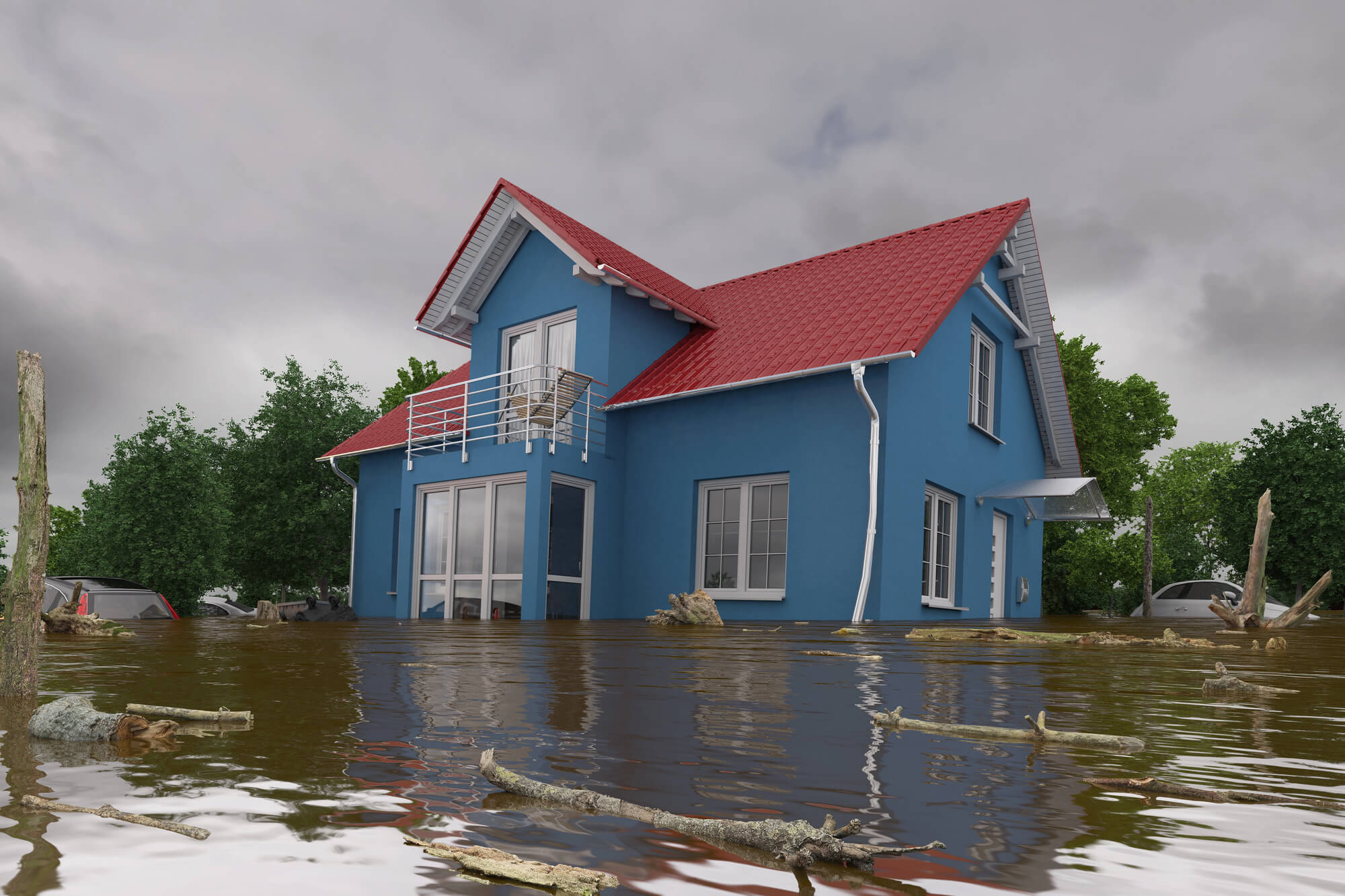
Brisbane’s weather is notoriously unpredictable, and often, homeowners face heavy rainfall, extreme storms, and high humidity. These changes in season significantly contribute to various plumbing problems.
When something goes wrong with your plumbing, the damage can escalate quickly. A burst pipe, a hidden leak, or an overflowing drain can ruin carpets, warp timber floors, damage walls, and create mould issues fast.
It’s no surprise that one of the most common questions homeowners ask is:
“Does home insurance cover plumbing issues?”
The answer isn’t always simple. Coverage depends on the cause of the damage, how well the home has been maintained, and the specific terms of your insurance policy.
This guide breaks down what’s usually covered, what’s not, and how Brisbane homeowners can protect themselves from unexpected repair bills.
The Problem: When Plumbing Goes Wrong in Brisbane
Across Brisbane Northside suburbs, certain plumbing issues appear again and again:
- Burst pipes during hot or stormy weather
- Blocked drains, especially after heavy rain washes debris into gutters and downpipes
- Hot water system failures, often without warning
- Roof leaks caused by storms or clogged gutters
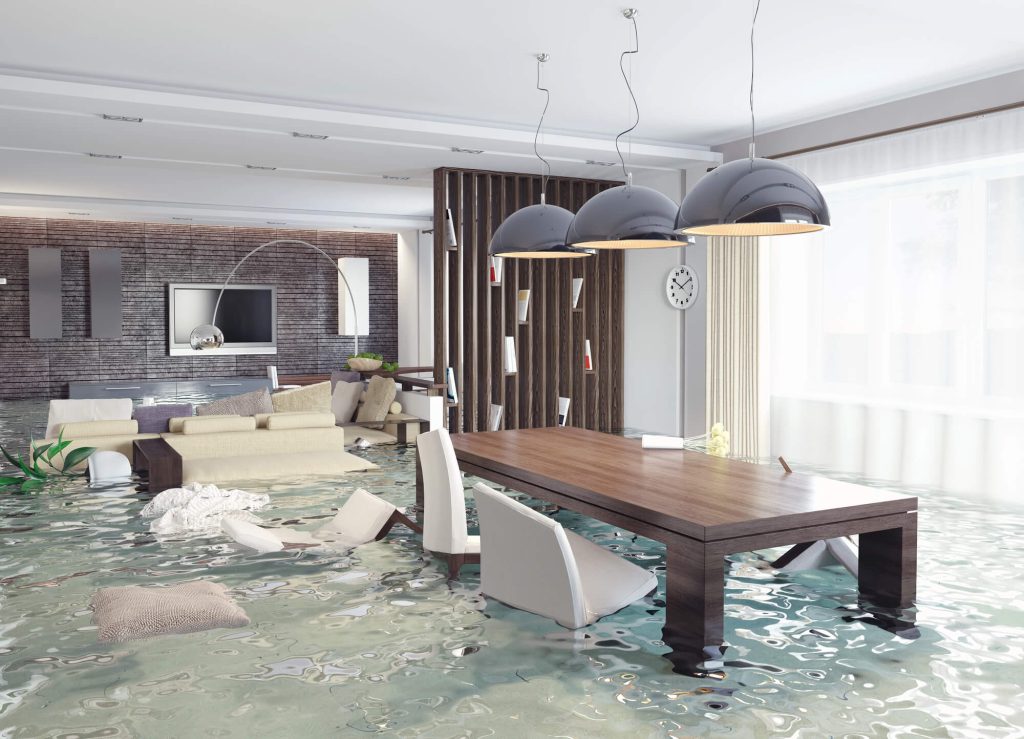
These problems can create extensive damage in a matter of minutes—wet floors, swollen skirting boards, ruined cabinetry, damaged furniture, and in worst cases, contamination from sewer overflow.
Many homeowners would assume (and hope!) that home insurances will cover these damages, only to discover exclusions, conditions, or maintenance requirements they didn’t know about. This confusion often adds extra stress during an already chaotic situation.
The Causes: Why Plumbing Problems Happen
Plumbing issues are something homeowners eventually face, but they don’t happen for the same reason. Understanding the cause is important because insurers assess “why it happened” before approving a claim.
3.1 Wear and Tear
Brisbane has many older homes, and over decades, piping materials naturally break down, especially in hot, humid conditions. Rust, corrosion, and thinning pipes are common in homes that haven’t had plumbing updated.
3.2 Poor Maintenance
Some plumbing problems stem from preventable issues, such as:
- Gutters and downpipes blocked during the wet season
- Tree-root intrusion, especially from common local species like figs, palms, and gums
- Slow leaks left unaddressed
- Hot water systems that haven’t been serviced in years
In these cases, insurers may argue that the damage was avoidable, and therefore not covered.
3.3 Sudden and Accidental Damage
These are the events insurers are most likely to cover:
- A pipe bursting unexpectedly
- A sudden hot water system failure
- A roof leak caused directly by a storm
These incidents are considered “sudden and accidental,” a key phrase in most policies.
3.4 Environmental Factors
Brisbane’s climate plays a major role:
- Heavy rain and flooding can overwhelm drains
- Long dry spells cause soil movement, affecting underground pipes
- High humidity accelerates corrosion
These environmental pressures can contribute to plumbing failures, but insurers assess whether the resulting damage was sudden or gradual.
4. What Home Insurance Usually Covers (and Doesn’t) in Australia
Home insurance in Australia typically focuses on sudden damage, not plumbing repairs themselves. That means, insurers often cover the fallout (water damage), not the broken pipe or appliance that caused it.
4.1 Commonly Covered
Most policies cover:
- Sudden bursts or leaks causing immediate damage
- Water damage to walls, flooring, and belongings after the incident
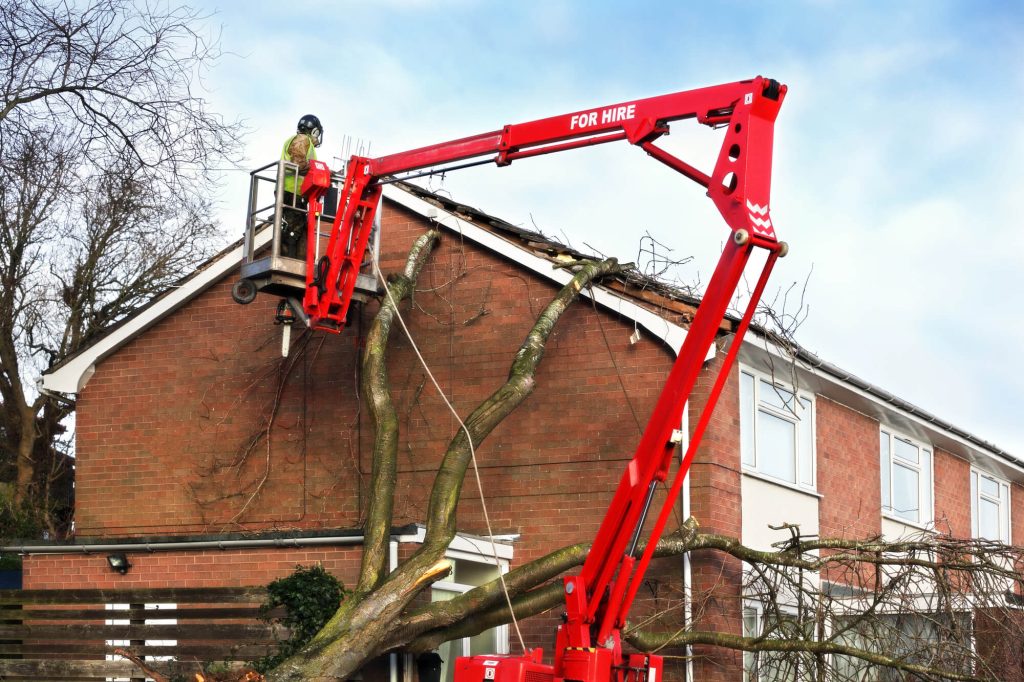
- Roof leaks caused by storms, as long as the roof was in good condition
- Hot water system failure, if it happened without warning.
Coverage usually applies to the damage caused by water, not necessarily the cost to repair or replace a faulty part.
4.2 Commonly Not Covered
Exclusions are important to understand:
- Wear and tear, rust, or old plumbing
- Slow leaks or deterioration over time
- Blocked drains caused by fat, hair, wipes, or poor upkeep
- Tree-root damage (often excluded unless sudden)
- Roof leaks caused by old or poorly maintained roofing
- Damage resulting from DIY plumbing or unlicensed work
Many claims are denied simply because the issue wasn’t sudden — it was preventable.
4.3 Hot Water Systems
Insurance may cover damage from sudden hot water system failure, but not failures cover by age, rust, and poor maintenance (which are common issues in Queensland’s climate)
4.4 Roof Leaks
For roof leaks, insurers draw a strict line:
- Covered: storm-related leaks
- Not Covered: leaks caused by blocked gutters, lack of cleaning, or aged roofing materials.
This is why documentation and maintenance records are essential.

5. Solutions: How Brisbane Homeowners Can Protect Themselves
While you can’t control every plumbing disaster, you can reduce the risk of claim rejections and expensive repairs.
5.1 Read Your Policy Carefully
Every insurer has different rules in Australia. Read your Product Disclosure Statement (PDS) very carefully (which can be typically found on the insurers’ website) as it outlines:
- What counts as sudden damage
- What exclusions apply
- Whether optional cover (like sewage backup) is included
5.2 Keep Up With Maintenance
A well-maintained home has a better chance of being covered. Key tasks include:
- Clearing gutters before and during the wet season
- Avoiding flushing wipes or putting fats down sinks
- Servicing hot water systems every 5–10 years
- Checking hose connections and tapping for drips
- Inspecting appliances, drains, roof, and gutters regularly
Routine checks also make it easier to prove the damage wasn’t caused by neglect.
5.3 Fix Problems Early
If you spot damp smells, mould, slow drains, stains on ceilings or walls, or high water bills, act immediately. A small leak can become a denied claim if it’s left too long.
5.4 Use Licensed Plumbers for All Work
Australian law requires licensed plumbers for most plumbing jobs, and insurers may void claims involving DIY or unlicensed repairs.
If you ever need help, working with trusted plumbers on Brisbane’s northside ensures repairs meet local standards.
5.5 Keep Records
When something goes wrong:
- Take photos of the damage
- Note dates and what happened
- Keep invoices, quotes, and service reports
- Ask your plumber for a written diagnosis
Clear documentation helps claims move faster and reduces disputes.
Conclusion
While home insurance often covers sudden and accidental plumbing problems, it rarely covers damage caused by old pipes, long-term leaks, wear and tear, or poor maintenance. The key to avoiding unexpected bills and claim rejections is understanding your policy, keeping your home well-maintained, and acting quickly when something goes wrong.
By staying proactive, Brisbane homeowners can protect their property, reduce the risk of major damage, and navigate insurance claims with far less stress.