


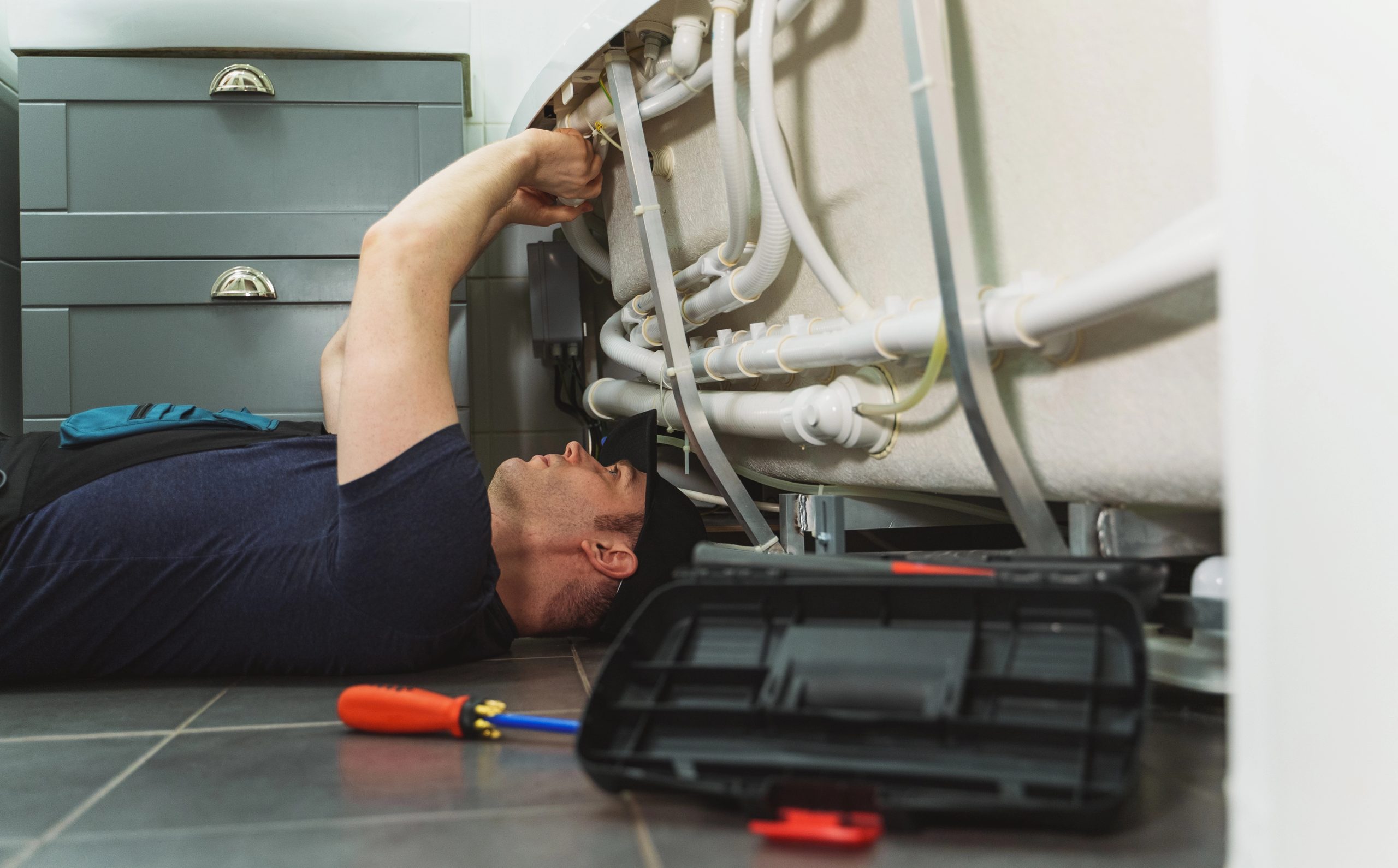
Plumbing issues don’t wait for business hours. Whether it’s a burst pipe flooding your kitchen or a blocked drain that’s about to overflow, some situations need immediate attention. If you’re facing a plumbing emergency in Brisbane, knowing what to expect can help reduce stress, speed up the process, and minimise property damage.
Below, we break down when to call for help, what happens during a call-out, how long it takes, and how much it might cost, so you’re never caught off guard.
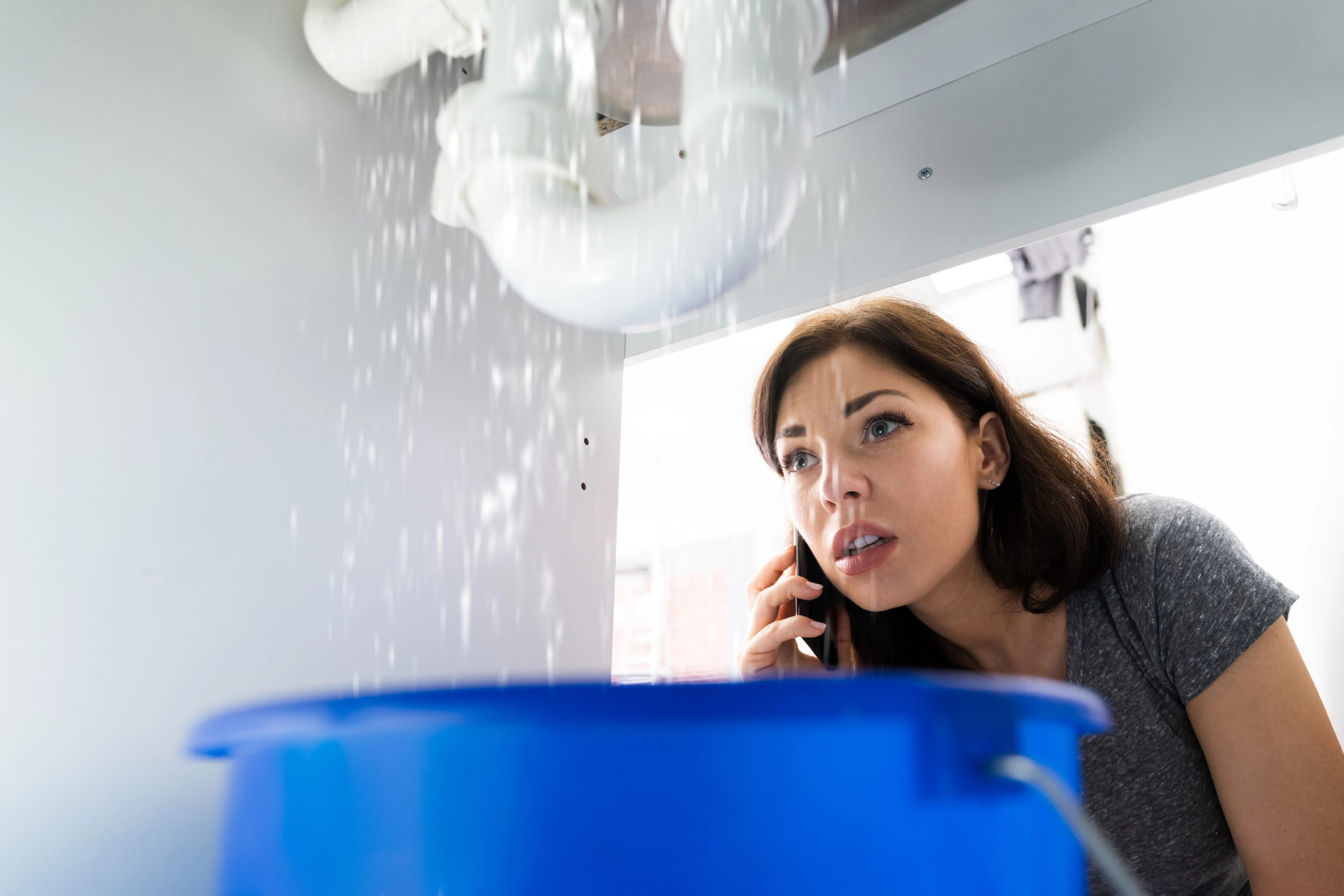
When Should You Call an Emergency Plumber?
Not all plumbing issues require urgent assistance, but some do. Situations that generally warrant a call to an emergency plumber Brisbane include:
- Burst pipes or severe leaks
- Overflowing toilets
- Blocked drains causing flooding
- No running water
- Gas leaks or strong gas smells
- Hot water system failures (especially in winter)
If there’s a risk to your safety, property, or hygiene, it’s better to treat the issue as an emergency and call for professional help.
What Counts as a Plumbing Emergency?
Not every leak needs a middle-of-the-night fix, but there are some issues that should never wait.
You’ll need an emergency plumber if you’re dealing with:
- A burst pipe that’s flooding your home
- A blocked toilet with no secondary option
- Sewer backups or foul-smelling drains
- Gas leaks (which are both plumbing and safety emergencies)
- No running water, especially if you have young children or medical needs
- Hot water system failure during winter
- Major leaks near electrical systems
These are more than just inconveniences—they can pose risks to your home, your health, and your safety. That’s when a 24-hour plumber becomes essential.
Step-by-Step: What Happens During a Call-Out
You Call and Describe the Problem
When you call an emergency plumber Brisbane, you’ll be asked to describe the issue in as much detail as possible. This helps the plumber assess the urgency and prepare the right tools and parts.
Be ready to share things like when the issue started, how severe it is, and whether you’ve had any previous plumbing repairs in the same area.
They’ll Give You a Time Estimate and Call-Out Fee
A professional plumber will usually give you an estimated arrival time and let you know if there are any after-hours or emergency call-out fees. These are common for late-night, weekend, or public holiday jobs—but transparent pricing is key.
The Plumber Arrives and Assesses the Issue
On arrival, they’ll inspect the source of the problem and its surrounding areas to confirm the best course of action. This might involve turning off your water mains, using drain cameras, or checking for signs of water damage behind walls or under floors.
Immediate Repairs Begin
If it’s safe and feasible, the plumber will carry out immediate repairs on the spot. For example, they might replace a section of burst pipe, clear a blockage, or stop a leak. For more complex issues, like needing replacement parts, they’ll usually perform a temporary fix and return as soon as possible for full repairs.
You Receive a Follow-Up or Repair Plan (If Needed)
If the problem can’t be fully resolved in one visit, the plumber will clearly explain what’s needed next. That could include ordering parts or arranging a follow-up visit during business hours. You’ll also get a breakdown of costs and a clear explanation of any ongoing risks.
Do You Have to Wait Until Business Hours?
The short answer is no. That’s the entire point of emergency plumbing services.
Waiting until Monday morning can mean water damage worsens, mould starts to grow, or sewage issues escalate into health hazards. The best emergency plumber Brisbane providers offer true 24/7 support with fast response times, especially across metro areas where plumbers are on call.
Even if you’re unsure whether something counts as an emergency, it’s worth making the call. A quick phone assessment can help you decide whether to wait or act now.
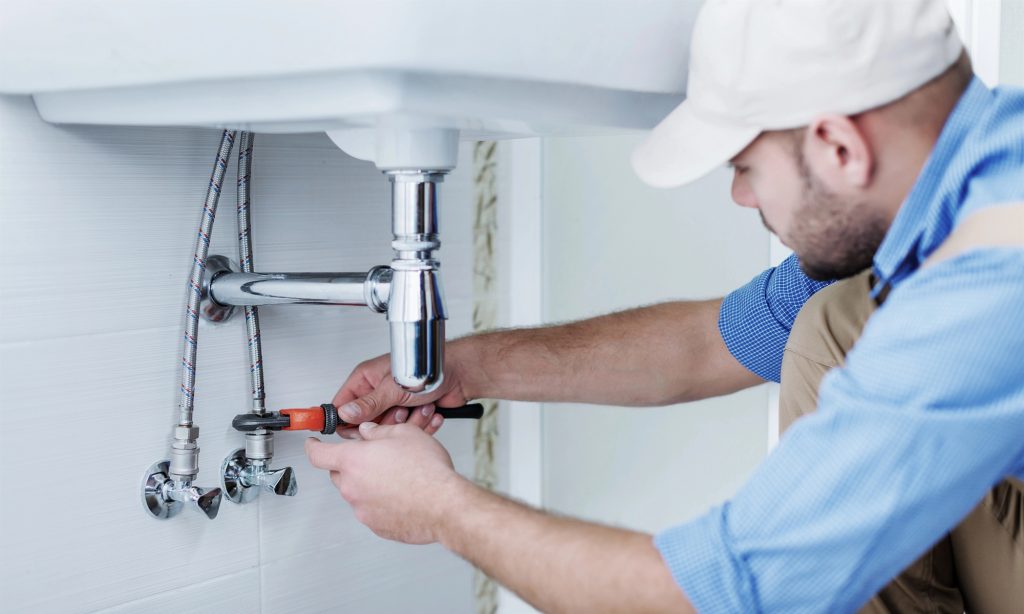
Why Choose a Local Brisbane Emergency Plumber?
Choosing a plumber based in Brisbane (rather than a national call centre) often means:
- Faster arrival times, especially in urgent situations
- Familiarity with Brisbane’s older homes and council plumbing regulations
- Better local customer service and follow-up
- Understanding of regional issues like stormwater flooding or tree root intrusions
A licensed emergency plumber Brisbane specialist also ensures you’re getting a professional who knows how to navigate Queensland’s plumbing standards and who’s more likely to show up when they say they will.
Final Tips: What to Do in a Plumbing Emergency
While you wait for the plumber to arrive, here’s what you can do to minimise damage:
- Turn off the water mains if there’s a leak or burst pipe. (Usually located at the front boundary of your property)
- Shut off the gas if you smell gas or hear hissing near pipes or appliances. (Only if it’s safe to do so, evacuate if needed)
- Clear the area so the plumber has space to work.
- Avoid using drains, toilets or taps if there’s a backup or overflow
And most importantly, don’t attempt DIY fixes unless you’re absolutely confident. Emergency plumbers are trained to handle high-pressure and high-risk situations safely. A wrong move could make things worse.
Preventing Future Emergencies
While you can’t prevent every plumbing issue, regular maintenance goes a long way. Here’s what helps:
- Have your pipes and drains inspected annually
- Install a backflow prevention device if you’re in a flood-prone area
- Don’t ignore small issues like slow drains or unusual noises
- Know where your shut-off valves are located
If you’ve recently used an emergency plumber, consider asking about a full inspection once things have settled down. Catching problems early can save you another late-night call-out.
Final Thoughts
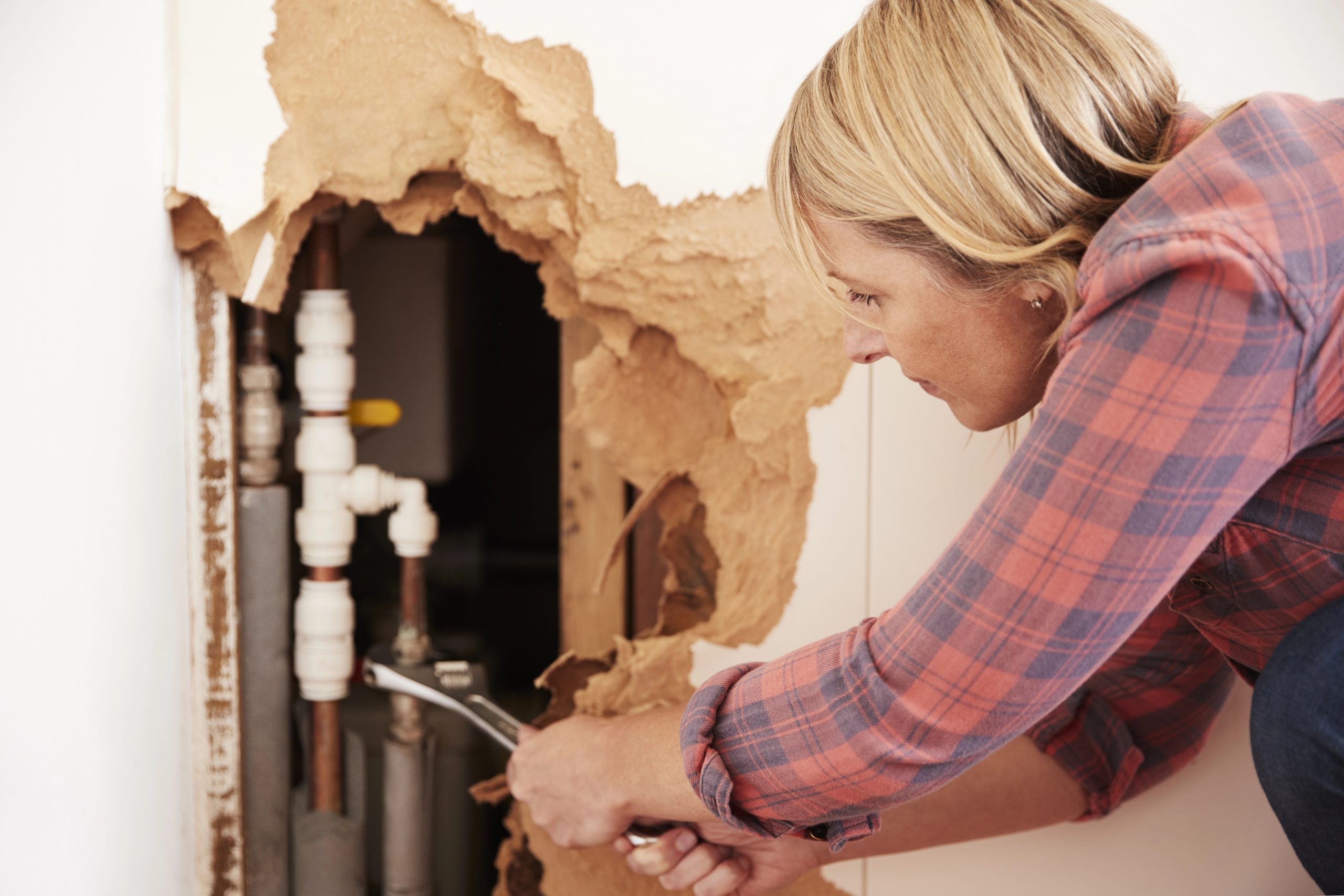
A plumbing emergency can be stressful, but knowing what to expect helps you stay calm and act quickly. Whether it’s a burst pipe or a blocked drain, a licensed emergency plumber Brisbane can get your home back to normal, without the guesswork. Choose someone local, qualified, and responsive and make sure you’re prepared, just in case.